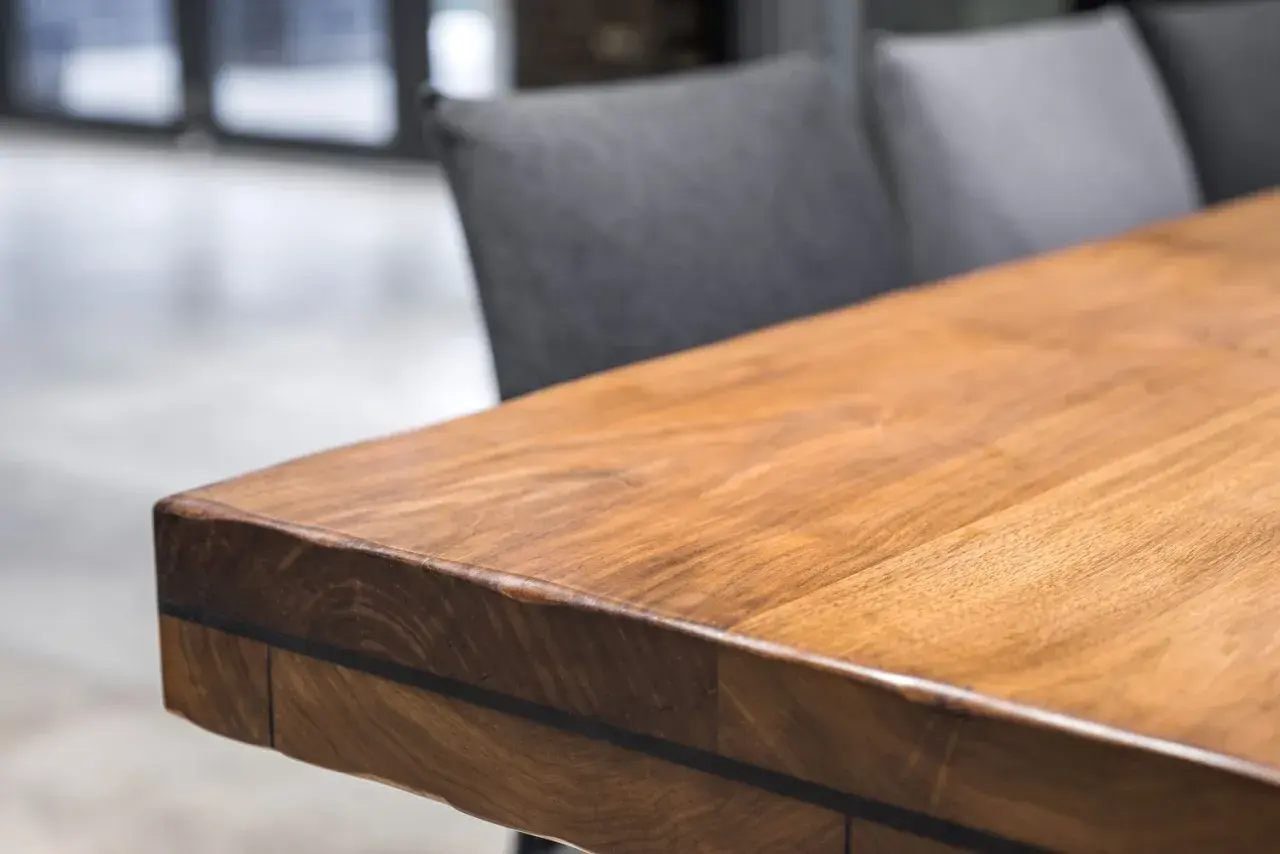
Acacia can be an excellent furniture wood when the piece is well made and matched to the room
- Acacia is a dense hardwood, so it handles daily wear better than many softer woods.
- It is especially strong for dining tables, benches, cabinets, and covered outdoor furniture.
- The biggest differences come from species, drying, and construction, not just the name on the product page.
- It is usually a mid-range choice: cheaper than teak, often more durable than softwoods, and not maintenance-free.
- For sustainable buying, sourcing matters more than the label alone, so certification is worth checking.
Why acacia has a strong reputation
Acacia earns its reputation because it combines hardness, character, and practicality. The genus is large, and that matters: some acacia species are very dense and heavy, while others are more moderate, so the exact feel of the wood can vary a lot. In furniture terms, that usually translates to a surface that resists knocks, holds up well under load, and looks more interesting than a plain, uniform board.
I also like acacia for one simple reason: it does not pretend to be a luxury timber, yet it often performs like a much pricier material when the maker has done the basics properly. It takes finishes well, has attractive grain variation, and can handle everyday use without looking flimsy. That makes it a sensible material for pieces you actually live with, not just admire from a distance.
The catch is that the wood itself is only part of the story. The next question is where that strength really pays off in a home.
Where it works best in the home
In my view, acacia is at its best in furniture that needs to be both sturdy and visually warm. That includes dining tables, sideboards, coffee tables, storage units, bedside tables, and benches. These pieces benefit from a wood that feels substantial, handles repeated contact, and still brings some grain movement to the room.
For UK homes, acacia makes particular sense in everyday family spaces. A dining table sees hot mugs, dropped cutlery, chair movement, and the occasional spill. A good acacia piece can cope with that kind of use better than many lighter woods. It also works well in compact rooms because the grain adds interest without needing an elaborate design.
It can also be a smart choice for covered outdoor furniture, but I would be more selective there. A sheltered balcony, a patio with a canopy, or a garden set that comes in during winter is a much safer use case than a piece left exposed to rain and frost all year. That difference matters more than many buyers expect, and it leads straight into the limits you should not ignore.The trade-offs you should not ignore
Acacia is not a miracle material, and pretending otherwise is the fastest way to be disappointed. The biggest issue is that acacia is a large genus, not a single uniform timber. One supplier may sell a very dense, stable species, while another uses a lighter board that only shares the name. If you want a reliable piece, construction and drying matter as much as the species itself.
Like most solid wood, acacia moves with humidity. In the UK, that often means winter central heating can be a bigger stress factor than damp weather alone. A board that is poorly kiln-dried, or assembled with weak joinery, can cup, gap, or crack more easily over time. That is not a flaw unique to acacia; it is simply what wood does when the furniture maker cuts corners.
There is also the matter of maintenance. Oiled finishes usually need periodic attention, while lacquered or sealed pieces are lower effort but can be harder to refresh if they get damaged. Outdoors, acacia is water-resistant rather than waterproof, so repeated wetting, standing water, and strong sun will shorten its life if the piece is not designed for that environment. Once you understand those limits, a comparison with other popular woods becomes much more useful.
How it compares with oak, teak, and mango wood
When people compare acacia furniture, they usually compare it with woods that sit near it in the market. This table gives the practical version of that comparison rather than a lab-style ranking.
| Wood | Durability | Moisture behavior | Price position | Best fit |
|---|---|---|---|---|
| Acacia | Very good, with species variation | Better than many woods, but not waterproof | Mid-range | Dining furniture, benches, covered outdoor pieces |
| Oak | Very good and familiar | Stable indoors, but still a living material | Mid to high | Classic indoor furniture and long-life investment pieces |
| Teak | Excellent | Outstanding for outdoor exposure | High | Premium outdoor furniture and humid environments |
| Mango wood | Good | Needs sensible finishing and care | Lower to mid | Value-driven furniture with a strong decorative look |
My practical reading is this: if you want a solid, attractive wood that usually sits below teak on price, acacia is often the sweet spot. If you want the best outdoor performance and are willing to pay for it, teak still wins. If you want a more traditional British furniture feel, oak is the safer aesthetic choice. If you want value and visual character, mango can be appealing, but it is not automatically tougher than acacia. The comparison is helpful, but the real test is the piece in front of you.
How to judge quality before you buy
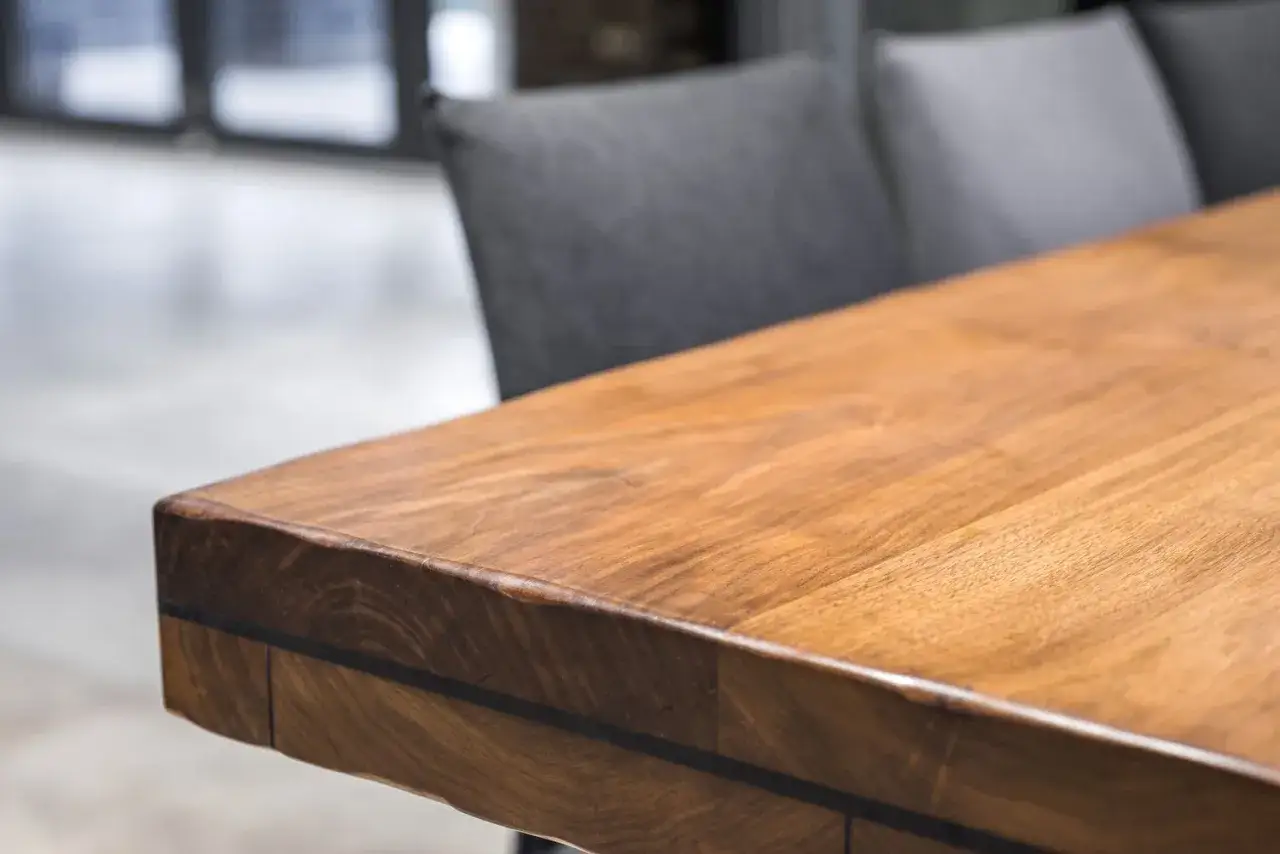
When I inspect acacia furniture, I start with the basics that actually predict long-term satisfaction. First, I check whether the piece is solid acacia, acacia veneer, or a mixed construction. Veneer is not bad on its own, but it should be disclosed clearly, because the maintenance and durability expectations are different.
Next, I look at drying and joinery. Kiln-dried wood is less likely to move after purchase, and proper joinery usually matters more than decorative claims about hardness. Mortise-and-tenon joints, dowels, and well-fitted rails tell me more than a glossy description ever will. If the piece feels surprisingly light for its size, I become cautious.
I also look at the finish. An oiled finish gives a warmer, more natural feel and is easier to refresh, but it needs periodic care. A sealed finish is lower maintenance, though once it is damaged, repairs can be less forgiving. For outdoor furniture, I want the maker to be explicit about weather use, storage, and whether the piece should be covered in winter. If that information is vague, I treat it as a warning sign, not a minor detail.
That practical approach matters even more once you decide how to care for the wood at home.
What keeps acacia looking good for years
Good care is not complicated, but it does need consistency. For indoor acacia furniture, I would keep cleaning simple: a soft cloth, mild soap if needed, and immediate drying. Harsh cleaners, ammonia-based sprays, and silicone polish can build up or damage the finish, so I avoid them. If the furniture has an oiled finish, a fresh coat every 6 to 12 months is a sensible rhythm, though the exact timing depends on use and sunlight exposure.
In British homes, humidity is worth watching. Central heating can dry out a room in winter, and that dryness can encourage small gaps or movement in solid wood. I do not expect acacia to behave like a museum piece, but I do expect it to live best in a reasonably stable environment. Coasters, placemats, and felt pads are boring accessories, yet they prevent a lot of avoidable wear.
For outdoor pieces, I would use a breathable cover rather than trapping moisture under plastic, and I would never leave furniture sitting in standing water. Winter storage is even better if you have the space. A covered patio piece can last well, but a fully exposed garden set needs more attention and will age faster. From a sustainability angle, that extra life matters as much as the original purchase.
What I would check before buying acacia furniture in the UK
If I were buying acacia furniture today, I would look for four things before I looked at the style. I would want a clear construction description, a finish suited to the room, evidence of proper drying, and a sourcing claim that is more specific than a generic eco label. If a retailer can tell you the wood type, the finish, and the recommended care routine, that is usually a good sign.
- Clear material details so you know whether you are buying solid wood, veneer, or a mix.
- Responsibly sourced timber, ideally with certification such as FSC when sustainability matters to you.
- A finish matched to the use case, especially for outdoor or high-spill furniture.
- Evidence of decent joinery and kiln-drying, which often predicts whether the piece will stay stable.
- A care plan you can actually follow, because low-maintenance only matters if it fits your routine.
That is the standard I would use because it keeps the decision grounded. Acacia is a very good furniture material when the maker respects the wood and the buyer respects its limits. Buy it for strength, grain, and value, not because the label sounds fashionable, and it usually repays that choice well.